



 Marketing materials


 Photo print


 Events and outdoor merchandise





 Labels and stickers




 Clothing




 Promotional and giveaway



 Hospitality and retail
Paper weights explained: which gsm for cards, flyers and posters?
What gsm actually means, how 130gsm feels next to 400gsm, and the right weight for each job — so you never order a business card that feels like a flyer.
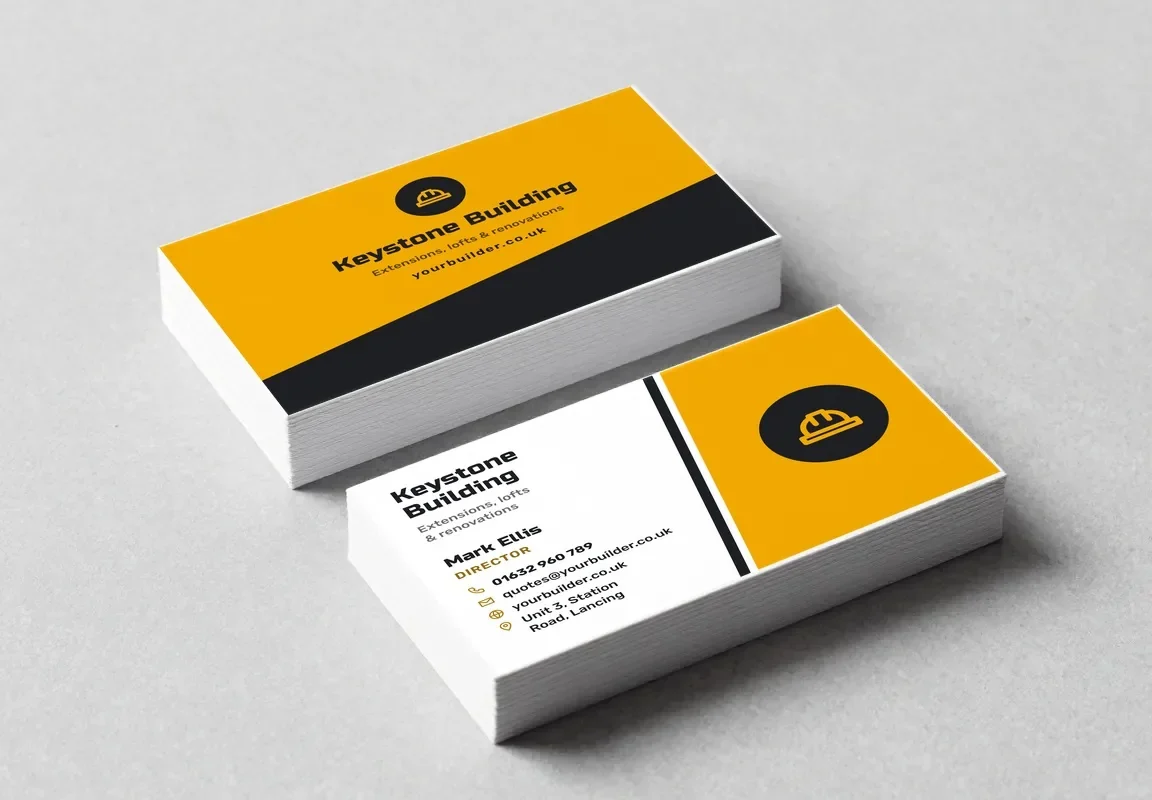
Paper weight is the option people most often guess at. It is also the one customers notice first: a business card on thin stock feels cheap before anyone reads it, while a flyer on heavy board is wasted money in a letterbox drop. Here is how to choose with confidence.
What “gsm” means
gsm stands for grams per square metre — the weight of one sheet of the paper measuring 1 m × 1 m. The higher the number, the thicker and stiffer the paper usually feels. It is a guide rather than an exact measure of thickness: an uncoated paper often feels bulkier than a coated (silk or gloss) paper of the same weight.
A quick guide by weight
| Weight | How it feels | Typical uses |
|---|---|---|
| 80–120 gsm | Everyday office paper and a little heavier | Letterheads, compliment slips, notepads, inner pages |
| 130–170 gsm | Light but substantial; folds cleanly | Flyers, leaflets, folded leaflets, posters for indoor use |
| 250–300 gsm | Card — holds its shape | Postcards, premium flyers, brochure covers, menus |
| 350–450 gsm | Thick, rigid card | Business cards, loyalty cards, invitations, swing tags |
Business cards: 350gsm is the starting point
For a card that feels professional, start at around 350gsm. 400–450gsm feels noticeably more premium and is a good choice if you hand cards out at meetings or events. If customers write on your cards — appointment cards, loyalty stamps — choose an uncoated or “writable” stock so ink and stamps do not smudge.
Flyers and leaflets: match the weight to how they are handed out
- Door drops and mass handouts: 130–170gsm keeps costs and postage down and folds easily.
- Counter displays and exhibitions: 250gsm and up survives being picked up and put back.
- Folded leaflets: stay at 170gsm or below for a clean fold, unless the product is creased for you.
Coated or uncoated?
Gloss makes colours and photos pop and suits promotional flyers. Silk (a satin-like coating) gives rich colour with less glare and is easy to read — a safe all-rounder. Uncoated paper has a natural, tactile feel, takes pen and stamp ink, and suits stationery and eco-minded brands.
Still unsure?
Think about where the piece will live. In a wallet: go heavy. Through a letterbox: go light. On a counter for weeks: go heavy and consider lamination. And if you want a second opinion, tell us what you are printing and we will recommend a stock.
Ready to print?
Pick a product, choose your options and upload your artwork — or ask us to design it for you.